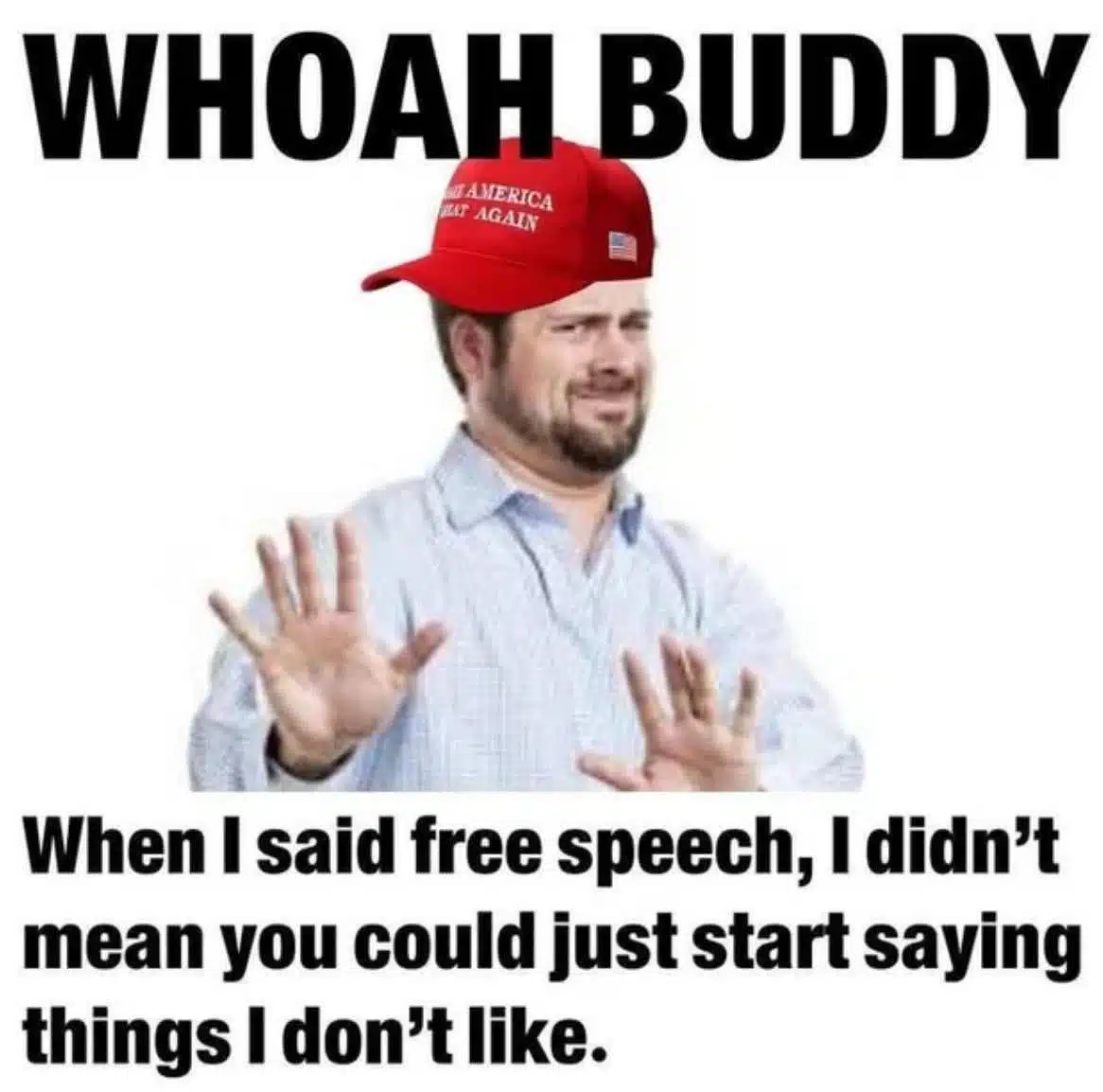
Understanding Cults: What Defines a Cult?
Cults represent a unique category of social groups that often exhibit specific characteristics and psychological mechanisms driving individuals to join and remain within them. One primary feature of cults is the presence of charismatic leadership. Leaders in these groups typically possess a magnetic appeal, utilizing persuasive skills to garner loyalty and obedience from their followers. This dynamic creates a centralized authority that undermines individual autonomy, often leading members to prioritize the leader’s beliefs and directives over their personal values or critical thinking.
Another defining trait of cults is ideological indoctrination. Members are often subjected to intensive training and information that reinforces the core beliefs of the group while simultaneously discrediting opposing viewpoints. This indoctrination process frequently utilizes repetitive rituals, emotionally charged experiences, and the creation of an exclusive narrative that positions the cult as the sole source of truth. Such practices cultivate an intense commitment among members while fostering an “us vs. them” mentality that isolates them from external influences and dissenting opinions.
Isolation is a strategic element that further characterizes cults. Many groups encourage physical and emotional separation from mainstream society, family, and friends, effectively creating an insular environment. This separation not only curtails access to external information that might challenge the group’s ideology but also strengthens the internal bonds among members. As the outside world is viewed with skepticism, the group’s beliefs and practices are continuously reinforced, making it increasingly difficult for individuals to leave or question their involvement.
These characteristics elucidate why certain groups, such as MAGA, exhibit cult-like traits. Understanding these defining features lays the groundwork for comprehending the psychological and social mechanisms that keep individuals bound to their cultic affiliations and the implications of such dynamics within broader societal contexts.
MAGA: Origins and Evolution
The MAGA movement, characterized by its rallying cry of “Make America Great Again,” has evolved significantly since its inception in the early 2010s. This phenomenon is closely tied to the political career of former President Donald Trump, who adopted the slogan during his campaign for the presidency in 2016. The origins of this movement can be traced back to a growing discontent among certain segments of the American population, especially among white working-class voters who felt left behind by globalization and new economic realities. This demographic sought a return to perceived traditional values, and Trump’s message resonated deeply.
Key figures, aside from Trump, have played pivotal roles in amplifying the MAGA narrative. Political strategists, populist leaders, and social media influencers have all contributed to its proliferation. The movement gained traction through major events such as rallies, where fervent supporters would gather, showcasing a sense of community and shared beliefs. The slogan itself, initially a campaign tool, became a badge of identity for many who adopted it, signaling a rejection of the political establishment and an embrace of a more aggressive, confrontational rhetoric.
Furthermore, the cultural context surrounding the movement cannot be overlooked. The rise of social media platforms provided a fertile ground for MAGA’s spread, allowing individuals to share content that reaffirmed their beliefs and rallied like-minded followers. This environment facilitated a shift where political allegiance morphed into a subculture rife with symbols, language, and community norms, which some critics argue exhibit qualities akin to a cult-like devotion. Through this lens, the transformation of MAGA from a political slogan to a comprehensive identity reflects broader societal shifts, illustrating how political movements can deeply penetrate societal fabrics.
The Psychology Behind MAGA: Why Members Embrace Ignorance
The MAGA movement has garnered significant attention, not only for its political stance but also for the psychological mechanisms that sustain its members’ beliefs. A key factor in understanding this phenomenon is cognitive dissonance, a psychological condition where individuals experience discomfort when confronted with information conflicting with their beliefs. For many members of the MAGA cult, embracing narratives that align with their ideological views helps alleviate this dissonance. When new information arises that contradicts their beliefs, they often reject it, thus safeguarding their ingrained convictions.
In conjunction with cognitive dissonance, confirmation bias plays a crucial role in the MAGA mindset. This cognitive bias leads members to selectively gather and interpret information that confirms their pre-existing beliefs while dismissing contradictory evidence. Social media platforms have exacerbated this tendency by providing echo chambers where individuals are exposed primarily to information that aligns with their views. As a result, MAGA supporters can create a distorted perception of reality, wherein the confirmation of their beliefs becomes a validation of their identity.
Moreover, social identity theory presents another layer to understanding why individuals are drawn to the MAGA movement. This theory posits that individuals derive a sense of self-esteem and identity from the social groups they belong to. Membership in the MAGA cult provides individuals with a community of like-minded people, reinforcing their beliefs and offering social validation. This group identity can be powerful, as it encourages members to adhere strictly to the group’s norms and reject outside perspectives. Consequently, members may occupy a defensive position, actively opposing criticism and shunning contradictory viewpoints.
These psychological dynamics create an environment that not only fosters the acceptance of ignorance but also celebrates it, making it difficult for members to reassess their beliefs in light of new information. Understanding these factors is instrumental in delving into the enduring allure of the MAGA movement and the persistence of its core beliefs among its followers.
The Impact of MAGA: Consequences for Society
The MAGA movement, originating from the political slogans and ideologies associated with former President Donald Trump, has far-reaching implications for various facets of society. One significant consequence is its effect on political discourse. The phrases and concepts embraced by this movement have permeated everyday conversation, leading to a growing polarization among communities. Supporters of MAGA often find themselves entrenched in echo chambers where dissenting opinions are not only challenged but dismissed entirely. This can result in a toxic environment where constructive dialogue becomes increasingly scarce, ultimately fostering division within the political landscape.
Moreover, the MAGA phenomenon raises concerns about social cohesion and civic engagement. As individuals gravitate towards the movement, they may prioritize allegiance to the MAGA ideology over communal interests or bipartisan cooperation. This shift can hinder collaborative efforts in addressing widespread societal issues, ranging from healthcare to environmental policy. When engagement with differing viewpoints decreases, the potential for collective action diminishes, creating a fragmented society where progress is stymied by ideological divides.
The psychological ramifications of such cult-like movements should not be underestimated. The MAGA movement’s reliance on emotionally charged rhetoric and charismatic leadership draws individuals in, often bypassing critical thinking and rational analysis. This phenomenon can lead to a concerning erosion of analytical skills in the general populace, contributing to the acceptance of misinformation as fact. Furthermore, the sustained emotional investment in these ideas can foster a sense of belonging, often at the cost of individual autonomy and critical discernment.
Ultimately, understanding the consequences of the MAGA movement highlights the essential need for critical engagement and open discourse in a democratic society. Without vigilance, the spread of misinformation and the decline of critical thinking skills may have lasting effects that extend beyond political allegiances, fundamentally altering the fabric of society.