Understanding Christian Nationalism
Christian nationalism is a political ideology that seeks to promote the interests of Christianity within the framework of governance and national identity. At its core, this movement posits that the nation is fundamentally defined by its Christian heritage and values. Advocates of Christian nationalism often assert that the United States is a divinely ordained country, with a unique mission and exceptional status among nations. This belief is steeped in the notion of American exceptionalism, which suggests that America has a special role in the world that is supported by a providential narrative.
The historical roots of Christian nationalism can be traced back to early American history, where many founding figures were influenced by Protestant beliefs. This foundation has evolved over the centuries, particularly in the context of various social and political movements. In the 20th century, particularly during the Cold War, a resurgence of Christian nationalism emerged, fueled by fears of communism and a perceived threat to American moral values. The alignment of evangelicalism with conservative politics helped solidify this ideology as a significant force within American society.
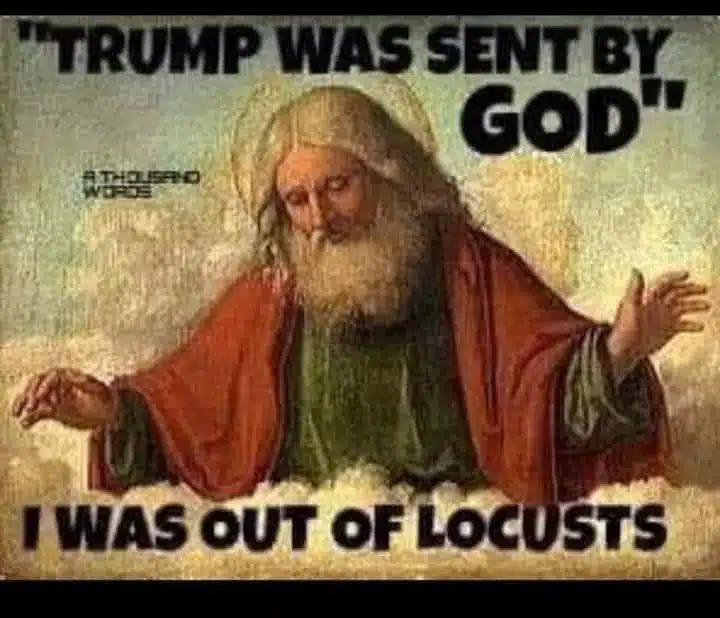
Contemporary Christian nationalism often manifests through support for political leaders who are seen as embodiments of divine favor. Donald Trump is a key figure in this narrative, embraced by many nationalists who perceive his presidency as evidence of a God-sent mission. This alignment raises questions about the authenticity of Christian values among those who align themselves with the movement. As the ideology continues to gain traction, it becomes pivotal to explore its implications on both politics and the personal faith of its followers. The belief that America has a divine purpose not only influences political agendas but also frames the interactions within a diverse religious landscape, positioning Christianity as a dominant narrative in national discourse.
The Narrative of Trump as a Divine Instrument
The belief among some Christian nationalists that Donald Trump is a divinely chosen leader stems from a combination of political alignment, theological reasoning, and charismatic endorsements from influential religious figures. This view is rooted in the notion that Trump’s policies resonate with conservative Christian values, such as abortion opposition, religious freedom, and the promotion of traditional family structures. These policy positions have made him a favored figure among many evangelical communities who see his presidency as beneficial for their religious and cultural agendas.
Prominent religious leaders have played a crucial role in framing Trump as a divine instrument. Figures such as Paula White and Franklin Graham have publicly endorsed him, articulating that his presidency aligns with a prophetic vision of restoring the nation to its purported Christian roots. They often invoke the idea of a “divine appointment,” suggesting that God has handpicked Trump to lead the United States during a time of moral crisis. Such rhetoric reinforces the belief that his leadership is not merely a political phenomenon but part of a higher spiritual purpose.
This narrative also extends into theological justifications that proponents of Trump’s presidency utilize to argue that his actions are fulfilled prophecies or manifestations of divine will. Many believe that the challenges faced by the country—ranging from cultural shifts to political divisions—are part of a divine plan requiring a leader like Trump to navigate. This interpretation has mobilized voters within the Christian nationalist community, encouraging them to engage actively in political processes and to view their support for Trump as a sacred duty.
In summary, the perception of Trump as a divinely sent instrument is deeply intertwined with the socio-political landscape of Christian nationalism. This belief is fortified by strategic endorsements, theological interpretations, and a shared vision among supporters about the direction of the nation, creating a potent force in American politics today.
Contradictions and Hypocrisy in Christian Nationalism
The intersection of Christian nationalism and politics often reveals profound contradictions, especially in the context of Donald Trump’s presidency. This amalgamation raises significant questions regarding the authenticity of the claimed moral compass that guides many of his staunch supporters. Christian teaching emphasizes values such as integrity, compassion, and honesty. However, the behaviors and actions associated with Trump frequently stand in stark opposition to these ideals. For instance, public reports of Trump’s personal conduct, including allegations of infidelity and dishonesty, draw a stark contrast to the ethical principles that many Christians profess to uphold.
Moreover, narratives espoused by Christian nationalists often emphasize the necessity of endorsing political figures who can ostensibly enact policies aligned with their beliefs. Yet, when the character of such a leader embodies qualities that appear to reflect arrogance, divisiveness, and a lack of compassion, it raises critical questions about the moral foundation underlying this political support. This dichotomy becomes even more pronounced when considering the emphasis placed on the commandment of love, illustrating a glaring inconsistency. The acceptance of a polarizing figure like Trump may serve strategic political goals, but it seemingly undermines the broader Christian message of love, grace, and forgiveness.
This apparent hypocrisy suggests that the motivations driving the Christian nationalist movement may be less about genuine Christian values and more about the pursuit of power and political influence. When examination reveals that the endorsement of Trump diverges sharply from the core teachings of Christianity, it compels a deeper reflection on the values guiding these believers. Do the ends justify the means, or is there an inherent contradiction in prioritizing political allegiance over spiritual integrity? This inquiry invites contemplation about the profound implications for the Christian nationalist identity in America today.
The Future of Christian Nationalism and Political Discourse
The rise of Christian nationalism has become a pivotal force in American politics, influencing not only the beliefs of countless followers but also the broader political landscape. As the conviction that political leaders are divinely appointed deepens among supporters, it is likely to shape future elections profoundly. Voters who adhere to this belief may prioritize candidates who align closely with their religious values, impacting the electoral choices available to them. This phenomenon could result in a more polarized electorate, with candidates feeling pressure to adopt extremist positions to satisfy their bases, thereby diminishing the potential for bipartisan cooperation.
Moreover, the intertwining of faith and political discourse presents significant implications for political accountability. With the notion of divine endorsement of leaders, different standards of evaluation could emerge; supporters may be less inclined to critique their representatives, viewing any shortcomings as part of a divine plan rather than failures of governance. This creates a challenging environment for rational political critique and could erode essential democratic principles that rely on accountability and transparency.
On a broader scale, the relationship between religion and politics could face both challenges and opportunities. As Christian nationalism remains prominent, mainstream religious communities may find themselves in a contentious position, creating divisions over political affiliations. Nonetheless, these communities also possess the potential to foster dialogues that promote understanding and collaboration across differing belief systems. As the political climate continues to evolve, finding common ground could become a priority that transcends partisan divides, fostering a more inclusive public discourse.
In conclusion, the future of Christian nationalism will undoubtedly shape the political landscape in complex ways. As the interplay between religion and politics continues to grow, both challenges and opportunities will arise, necessitating careful navigation by all involved parties.