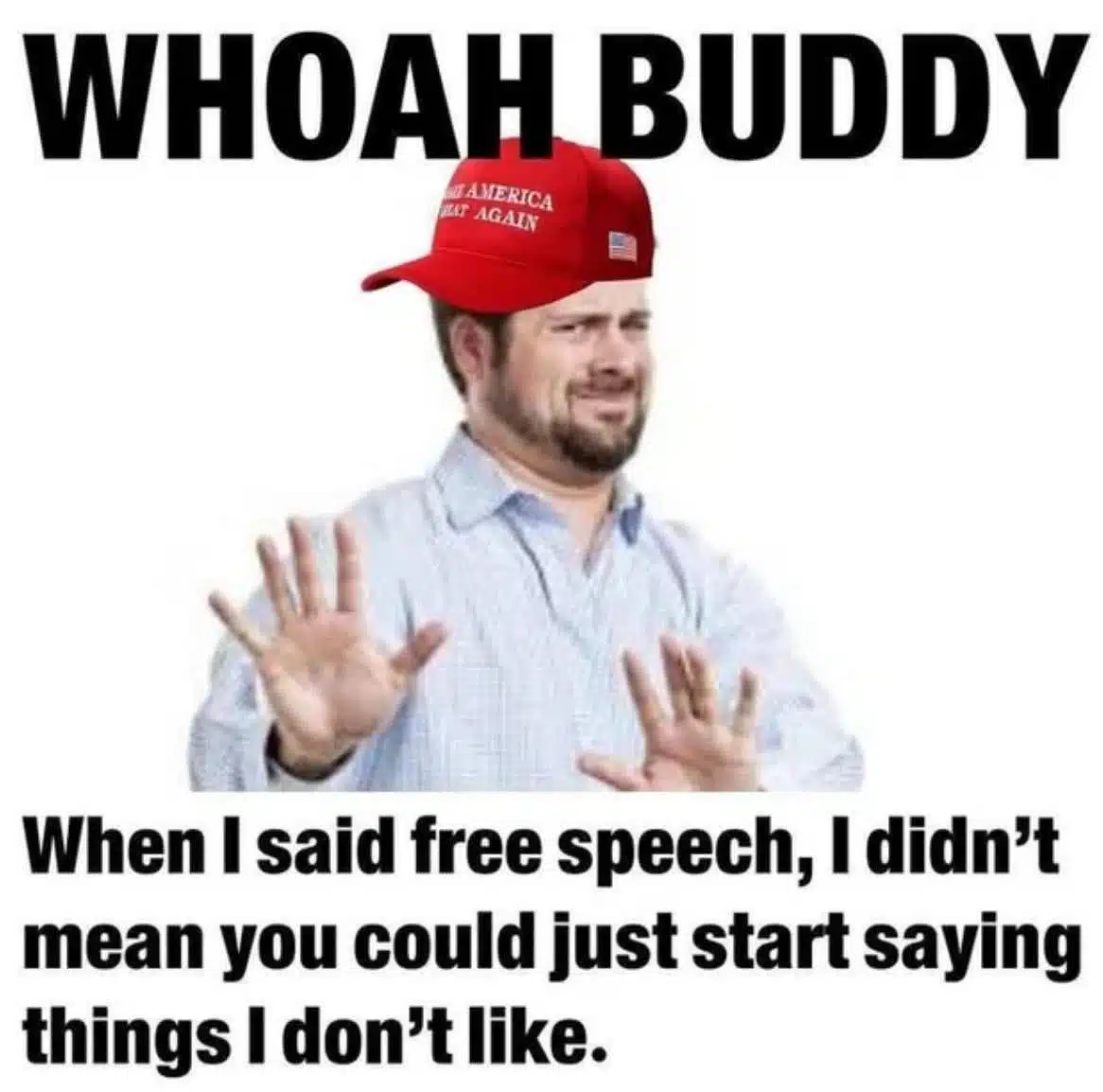
The MAGA Perspective on January 6th
The events of January 6th, 2021, are often viewed through highly polarized lenses, with supporters of the MAGA movement characterizing the day as a peaceful protest against alleged election fraud. Within this framework, many MAGA supporters believe that the intentions of the participants were grounded in a sincere desire to uphold constitutional rights and protect democratic principles. They argue that the protestors were exercising their right to free speech and assembly, aimed at voicing concerns over what they perceive as a compromised electoral process.
This perspective often highlights the belief that the mainstream media has misrepresented the actions of the protestors, framing them as insurrectionists. Many supporters assert that the narrative of violence and rebellion does not accurately reflect the behavior exhibited during the protest, contending instead that the overwhelming majority of participants were peacefully advocating for their cause. This sentiment is echoed in various testimonials from MAGA supporters who argue that their experiences on that day did not align with the chaos depicted in media reports.
Moreover, MAGA supporters often emphasize a favorable view of law enforcement during the event, asserting that many police officers were sympathetic to their cause. They cite instances where they believe officers engaged positively with protestors, fostering an environment of mutual respect rather than confrontation. This portrayal diverges significantly from the narrative that frames the day as a violent insurrection against the government.
In addition to personal accounts, individuals within the MAGA movement frequently consume media that aligns with their views, reinforcing their understanding of the events of January 6th. This selective media consumption shapes their beliefs, lending credibility to their convictions while dismissing contradictory perspectives as biased or unfounded. Ultimately, the MAGA perspective encapsulates a complex interplay of perceived injustices, individual rights, and a profound commitment to national identity, as manifested in the events of January 6th.
Liberal Protests: A Different Lens
The perception of liberal protests, particularly those focused on racial injustice and social inequality, often differs markedly from the viewpoint of MAGA supporters, who tend to frame such gatherings as chaotic and violent. This dichotomy is primarily rooted in how these events are reported in the media and perceived by the public. For MAGA proponents, incidents of unrest or looting occurring during predominantly peaceful protests become emblematic of broader societal breakdowns, effectively overshadowing the aims of the movements themselves.
Instances such as the Black Lives Matter protests have frequently been cited by MAGA supporters as examples of disorder. Each disruption, whether minor or major, is highlighted as indicative of a larger threat to public safety. As a result, the narrative constructed around these protests tends to emphasize violence and lawlessness rather than the underlying issues of systemic racism and social inequity that instigated them. This selective reporting reinforces existing biases and fosters an image of liberal movements as antagonistic to law and order.
Furthermore, the media’s role in shaping public perceptions cannot be overstated. Coverage that focuses predominantly on rioting or destruction provides a skewed interpretation of events. By contrast, many liberal protests are primarily peaceful, characterized by messages advocating for social justice and reform. However, the framing of these events in certain outlets can lead to a public perception that they are inherently dangerous. This phenomenon stands in stark contrast to the portrayal of the January 6th Capitol rally, which many MAGA supporters often describe as a legitimate expression of political dissent. Such disparities in narrative highlight the complexities and contradictions present in American political discourse.
The Double Standards in Protest Narratives
The way protests are perceived and interpreted can greatly vary depending on the political affiliations of those involved. This disparity often manifests in the narratives surrounding the protests, particularly regarding the actions of protestors and the responses of law enforcement. For instance, the January 6th Capitol riot, which saw MAGA supporters breaching the U.S. Capitol, has been labeled a violent insurrection by many, while numerous liberal protests, despite instances of unrest, may be characterized as peaceful demonstrations by their supporters. This duality raises questions about the inherent biases in how different groups are judged.
Recent studies in social psychology highlight the notion of “in-group” versus “out-group” bias, suggesting that individuals often assess the actions of others through the lens of their political affiliations. When a protest aligns with one’s values, the tendency is to emphasize its peaceful aspects while downplaying any violent elements. Conversely, protests that oppose one’s views are frequently cast in a negative light, with any disorder being deemed a reflection of systemic violence. This behavior can be seen in the contrasting media portrayals of MAGA protests versus the Black Lives Matter demonstrations, where narratives often diverge significantly despite similar occurrences of blockades and confrontations with law enforcement.
The implications of such labeling extend beyond media discourse; they can influence public opinion, legislative actions, and the overall societal response to protests. Additionally, law enforcement responses can reflect these biases, as seen in varying levels of police presence and the use of force during different protests. For instance, the lenient approach during some MAGA rallies starkly contrasts with the militarized responses observed at numerous liberal protests. Such double standards not only highlight a broader issue of bias within protest narratives but also raise essential questions about the equitable treatment of citizens exercising their right to assembly in a democratic society.
Finding Common Ground: The Future of Political Protests
In the ever-evolving landscape of American political expression, the events surrounding January 6th and various liberal protests raise critical questions about the nature of civic engagement and the rights associated with it. To bridge the divide between contrasting perspectives on protests, it is essential to promote dialogue that emphasizes understanding and respect for differing views. This approach not only nurtures a more informed citizenry but also encourages individuals to critically evaluate their own biases and assumptions.
One potential pathway toward enhancing dialogue is establishing community forums and discussions that welcome diverse viewpoints. Such platforms should encourage participants to share personal stories related to protests, which can humanize these events and facilitate empathy among individuals with opposing beliefs. Facilitated conversations focusing on the motivations behind protests, whether they arise from a sense of injustice or a desire for policy change, could pave the way for more nuanced perspectives.
Furthermore, greater emphasis on education is crucial in this endeavor. Educating citizens about their rights to protest and the historical significance of various movements could promote civic engagement while fostering an appreciation for the complexity of these issues. Understanding the spectrum of motivations and feelings that drive individuals to protest will help diminish the polarization that often accompanies political discourse.
Collaborative efforts that harness the creativity and passion of grassroots organizations can also play a vital role in uniting diverse groups under common goals. Initiatives aimed at finding shared interests or objectives can encourage attendees from different backgrounds to work together, strengthening community bonds while providing a platform for constructive dialogue. Therefore, it is essential for all stakeholders to engage in a climate of respect, aimed at fostering understanding rather than division.
In conclusion, the future of political protests can be shaped by actively seeking common ground through dialogue, education, and collaboration. Encouraging civic engagement while being open to varying opinions will ultimately enhance democratic discourse, promoting a more harmonious society.