
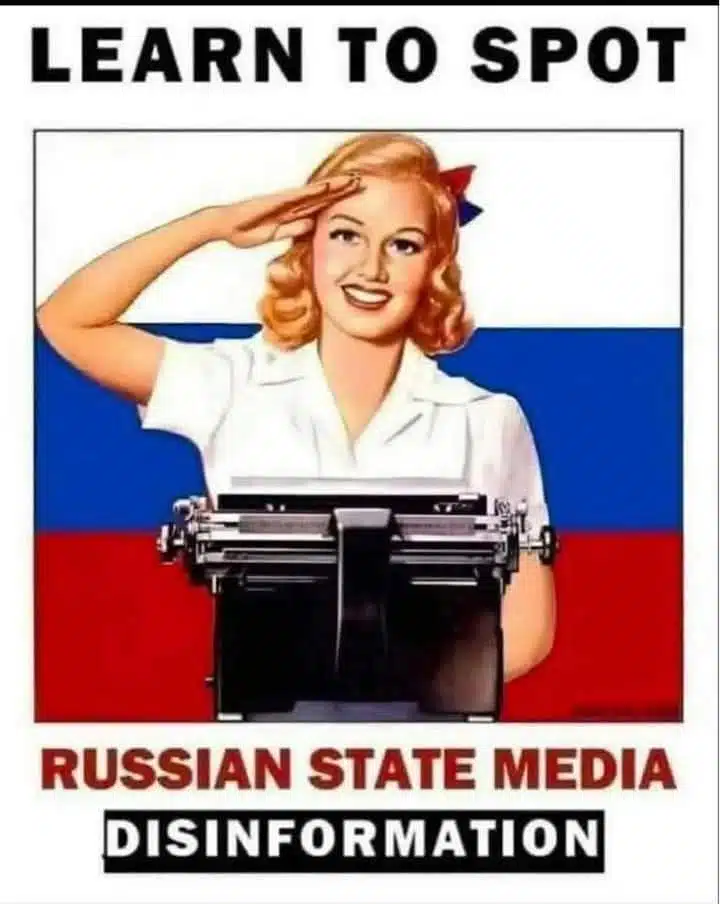
Understanding Disinformation: What It Is and Why It Matters
Disinformation refers to deliberately false or misleading information that is disseminated with the intent to deceive. This phenomenon significantly differs from misinformation, which is inaccurate information shared without the intent to mislead. Disinformation typically relies on strategic communication tactics to achieve specific objectives, often linked to political, social, or economic agendas. In the context of Russian media, disinformation has been employed as a powerful tool to influence public opinion and manipulate narratives both domestically and internationally.
The tactics used in Russian disinformation campaigns are manifold and sophisticated. They include the spread of fake news, the manipulation of legitimate news sources, and the amplification of polarizing narratives on social media platforms. By sowing discord and confusion among the populace, these campaigns aim to undermine trust in credible institutions and create a favorable environment for the dissemination of falsehoods. This has historical roots, particularly evident during the Cold War when information warfare began to play a crucial role in shaping geopolitical landscapes.
The goals of Russian disinformation campaigns have evolved over time but often include weakening adversaries, distracting from domestic issues, and fostering a sense of nationalistic pride. The impacts of these campaigns can be profound, leading to polarized societies, distorted perceptions of reality, and even influencing electoral outcomes in various countries. Understanding these tactics is essential for identifying disinformation when it occurs, as well as for developing cognitive resilience against the rising tide of false information.
Recognizing the signs of disinformation presents an opportunity for consumers to engage more critically with the information they encounter. By discerning between truth and deception, individuals can protect themselves from being manipulated and can contribute positively to the discourse surrounding current events.
Common Tactics Used by Russian Media Outlets
Russian media outlets have developed a range of tactics aimed at disseminating disinformation effectively. One prevalent method is sensationalism, where information is exaggerated or presented in a dramatic fashion to capture the audience’s attention. This can often lead to misleading narratives that amplify fear or outrage, drawing viewers into a specific ideological stance. By prioritizing shocking headlines and content, these outlets are able to overshadow factual reporting and create a distorted perception of reality.
Emotional manipulation is another significant tactic employed by these media outlets. By appealing to the emotions of their audience—such as fear, anger, or patriotism—Russian media can facilitate the spread of disinformation. Carefully curated stories often feature personal anecdotes or striking visuals that aim to evoke an emotional response, making the audience less inclined to engage in critical analysis. This tactic effectively undermines rational thinking and reinforces existing biases.
False equivalence is also frequently used, particularly in discussions surrounding polarizing topics. Here, media outlets may present two opposing viewpoints as equally valid, even when one is based on verified facts and the other is rooted in disinformation. This tactic dilutes accountability and makes it challenging for consumers to differentiate between legitimate news and fabricated narratives. It is crucial for audiences to recognize this distinction to avoid misunderstanding complex issues.
Additionally, the use of doctored images and videos can significantly enhance the credibility of false narratives. Manipulated visual content can spread quickly on social media, often outpacing fact-checking efforts. Notable case studies, such as the portrayal of conflict zones or political events, reveal how these deceptive practices can influence public opinion and international relations. By understanding these tactics, consumers can become more discerning about the information they encounter, ultimately fostering a more informed society.
How to Differentiate Reliable News from Disinformation
In an age where information can spread rapidly, distinguishing between reliable news and disinformation is an essential skill. One of the first steps is to evaluate the credibility of the author. Assess their qualifications, affiliations, and previous work, which often provide context for their viewpoints. Recognizing reputable journalists or analysts can be a crucial part of discerning the reliability of the news. Seek out articles written by individuals with verifiable expertise in their respective fields, as this can often indicate a higher quality of information.
Another effective tactic is to cross-reference news stories with established, reputable news outlets. Reliable news organizations typically adhere to strict editorial standards and ethics, which can serve as a check against misinformation. If a story is only covered by lesser-known sources or does not align with the reports from multiple credible outlets, it may warrant further scrutiny. Engaging with diverse, respected media can aid in developing a comprehensive understanding of the news.
Employing fact-checking websites is also a critical tool in navigating the complex media landscape. Resources like Snopes, FactCheck.org, and PolitiFact provide an objective analysis of the claims made in various news articles. By verifying claims through these sites, consumers can mitigate the risk of falling victim to misleading headlines or sensational claims.
Moreover, cultivating a mindset of media literacy is vital. This involves not only understanding how to evaluate information critically but also knowing the common tactics employed by purveyors of disinformation. Recognizing inflammatory language, lack of sources, and emotional appeals can further enhance one’s ability to discern credible news. Incorporating these strategies and utilizing available tools can empower readers in their quest for truth, enabling them to navigate the information landscape more effectively.
Taking Action: How to Combat Disinformation in Your Community
The proliferation of Russian media disinformation necessitates collective action at the community level. Individuals can play a pivotal role in diminishing the impact of deceptive narratives by becoming informed consumers of media. This begins with sharing knowledge about the tactics commonly employed by disinformation campaigns. Hosting community workshops or informational sessions to educate others on identifying unreliable sources can empower citizens to discern fact from misinformation. An essential component of this effort is promoting critical thinking about the media consumed, enabling community members to scrutinize the content they encounter.
Media literacy initiatives are vital in arming individuals with the skills to evaluate information responsibly. Communities can collaborate with local educational institutions to implement curricula that focus on critical media analysis, fostering a culture that values accuracy and transparency in news consumption. By engaging youth through these initiatives, communities can build a foundation for future media-savvy generations who are less susceptible to manipulative narratives.
Furthermore, supporting or participating in fact-checking efforts within the community can have significant repercussions. By encouraging discussions around verifying information, residents can create an environment where critical inquiry is standard practice. Numerous organizations offer resources and platforms dedicated to fact-checking, which can be promoted in community forums and social media channels. Residents should consider becoming active participants in these platforms, sharing findings and encouraging others to do the same.
Ultimately, fostering dialogue about disinformation not only raises awareness but also strengthens community resilience against these deceptive practices. Encouraging open conversations about encountered disinformation allows individuals to express concerns and collaboratively seek solutions. By fostering a community ethos of informed media consumption, citizens can cultivate a collective defense against the dangers posed by misinformation, thereby enhancing societal cohesion and critical engagement.