The Nature of Frankness in Politics
Frankness in politics refers to the straightforwardness and honesty with which politicians convey their views, often characterized by a lack of euphemism or ambiguity. This direct communication style can generate a strong connection with constituents, fostering an environment where voters feel they are being given unfiltered insights into a politician’s beliefs and intentions. The advantages of such frankness can include heightened trust and a sense of authenticity, valued traits among many voters. Donald Trump exemplifies this approach through his communication, often eschewing traditional political decorum in favor of a more approachable, albeit controversial, candor.
However, the nature of frankness also bears significant drawbacks. While admitting one’s thoughts freely can resonate with certain audiences, it can also alienate others who may view the same statements as reckless or divisive. Critics argue that frankness can sometimes result in a lack of decorum in political discourse, leading to heightened polarization and misunderstanding among constituents. Therefore, caution is advised when engaging in frank political dialogue, as it can easily drift into incendiary rhetoric, undermining the very objective of fostering constructive dialogue.
When considering past political figures, the approaches to frankness vary widely. For instance, President Franklin D. Roosevelt often employed a more nuanced and cautious communication strategy, where frankness was balanced with empathy and reassurance during times of crisis. In contrast, figures such as former British Prime Minister Winston Churchill often exhibited frankness as a tool for inspiring resolve during World War II, demonstrating that the effectiveness of this approach can depend heavily on context and audience perception. By examining these varied approaches, one can better understand the complex and multifaceted nature of frankness in political communication today.
Trump’s Unique Communication Style
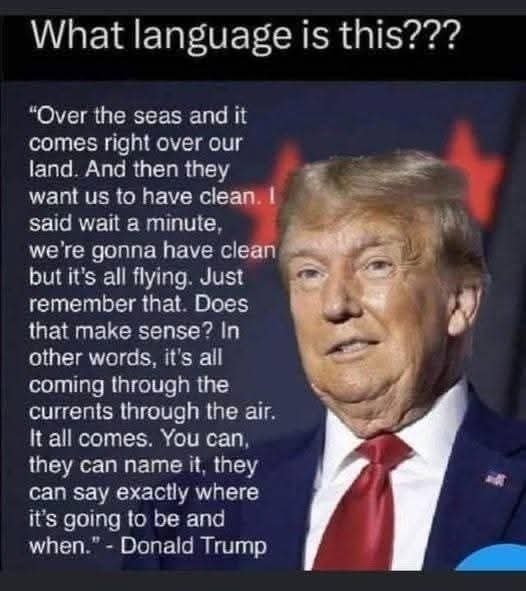
Donald Trump’s communication style has often been characterized by a singular, unfiltered frankness that distinguishes him from many political figures. His penchant for directness manifests prominently in both his speeches and social media activity, especially during his presidency. Trump’s willingness to express his thoughts without the traditional political decorum created a duality in public perception; while many supporters appreciated this authenticity, critics labeled it as reckless and divisive.
One of the most notable examples of his frankness occurred during the 2016 presidential campaign, where he famously referred to various issues in straightforward terms, often avoiding the nuanced language typically employed by politicians. This approach resonated with a segment of the electorate that felt alienated by conventional political discourse. Trump’s candid tweets, which frequently addressed both domestic and international matters, facilitated a direct channel of communication between him and his supporters. By actively engaging in conversations on platforms like Twitter, he was able to shape narratives and influence public opinion in real-time.
Key moments during his presidency illustrated his frank communication style, such as his remarks on immigration and foreign relations. These statements, while praised by his base for their transparency, sparked significant backlash from opposition figures and political analysts who argued that such bluntness lacked the necessary diplomacy. Trump’s candidness thus served a strategic purpose; it was not just about being honest but about galvanizing his supporters while casting his critics as out of touch with the American populace.
Overall, Trump’s communication method exemplifies a calculated decision to eschew traditional political norms in favor of what he termed “telling it like it is.” This self-styled frankness has undeniably shaped political conversations, illustrating the power of direct communication in modern political arenas.
The One-Way Street of Frankness
Frankness, as exhibited by former President Donald Trump, often reflects a unique communication style that can be perceived as a one-way street. His directness in addressing issues has generated both admiration and critique, creating an environment where frankness is not necessarily reciprocated by others, particularly political adversaries and media personnel. This selectivity in communication can significantly impact democratic discourse, as it fosters a dynamic where open dialogue is stifled.
Instances of Trump’s utter frankness frequently resulted in sharp backlash from various fronts. For example, his comments regarding immigration or foreign leaders have often been met with outrage and defensive reactions. These situations illustrate the paradox of frankness in a political environment – while Trump leverages his straightforwardness to reinforce his position and resonate with his supporters, it simultaneously discourages meaningful exchange with those who oppose his views. His remarks can portray a strong sense of conviction, but they also create barriers to open communication, limiting the possibility of constructive discourse.
This one-sided approach to frankness presents implications for democratic dialogue. In a healthy democracy, the exchange of ideas and viewpoints among diverse groups is fundamental. However, when frankness becomes a tool for promoting an agenda without encouraging reciprocal openness, it compromises the essence of democratic engagement. The reluctance of political opponents or media outlets to respond candidly, often stemming from fear of ridicule or misrepresentation, further entrenches divisions and promotes an adversarial atmosphere.
Consequently, while Trump’s frankness can be seen as a strategic advantage in consolidating support, it simultaneously hinders broader discussions essential for democracy. A genuine two-way street of frankness would allow for diverse opinions to coexist and foster dialogue, enriching the political landscape rather than isolating it. This dynamic therefore raises critical questions about the health of communication in political environments and the future of democratic engagement.
Impact on Political Discourse and Society
Donald Trump’s style of frankness has significantly reshaped political discourse in the United States. His candid approach deviated from traditional political behavior, characterized by careful speech and crafted rhetoric. This shift has influenced not only the behavior of fellow politicians but has also altered media practices and public perceptions of what is considered acceptable in political dialogue.
In the political arena, Trump’s direct communication style has emboldened other leaders to adopt similar tactics. Many politicians, inspired by Trump’s unabashed frankness, have begun using sweeping statements and incivility, which often attract significant media attention and resonate with certain voter segments. This phenomenon has led to a new standard in political interactions, where authenticity and edge are increasingly valued over decorum. As a result, partisan lines have become more pronounced, leading to heightened political polarization.
The media landscape has also been transformed as a reaction to Trump’s behavior. News outlets have had to adapt their coverage to cater to the demand for immediate and unfiltered content. This shift has prioritised sensationalism over substance, fostering an environment where salacious headlines often overshadow critical policy discussions. As a consequence, audiences may find themselves consuming information that emphasizes conflict rather than a comprehensive understanding of issues at hand.
Public perceptions of frankness in politics have thus undergone a significant change. Many citizens now view candidness as a desirable trait, equating it with honesty and relatability. However, this can lead to the normalization of unsubstantiated claims and aggressive rhetoric, potentially undermining the integrity of democratic dialogue. The implications of this one-way street of frankness could pose long-term challenges for the health of democracy, affecting future elections and citizens’ trust in political institutions.